
Cyberpunk Accessories That Complete Any Fit
A great cyberpunk outfit can fall flat without the right finishing touches. The jacket, the base layers, the boots — all of that groundwork means nothing if the last five percent gets ignored. Accessories are where a cyberpunk look goes from "nice outfit" to "unmistakably cyberpunk," and they're also the cheapest, fastest way to build out the aesthetic without committing to a whole new wardrobe.
This guide breaks down the accessory categories that matter most, how to choose pieces that actually earn their place, and how to layer them without tipping into costume territory.
Why Accessories Matter More in Cyberpunk Style Than Almost Any Other Aesthetic
Most style aesthetics live or die on silhouette and color. Cyberpunk is different — it's a look built on detail. Two people wearing the exact same black jacket and cargo pants can read completely differently depending on what's hanging off the bag strap, what's catching the light on the boots, or what's sitting on their wrist.
That's because cyberpunk fashion draws from a world of function-first design: gear that exists because it does something, not just because it looks good. A harness isn't just decoration, it implies you're carrying equipment. A chain isn't just jewelry, it implies something is tethered to something else. Even when the accessory itself is purely aesthetic, the best cyberpunk pieces still nod to that "this exists for a reason" logic. That's the difference between an accessory that reads as considered and one that reads as a costume prop.
Bags: The Single Most Important Cyberpunk Accessory
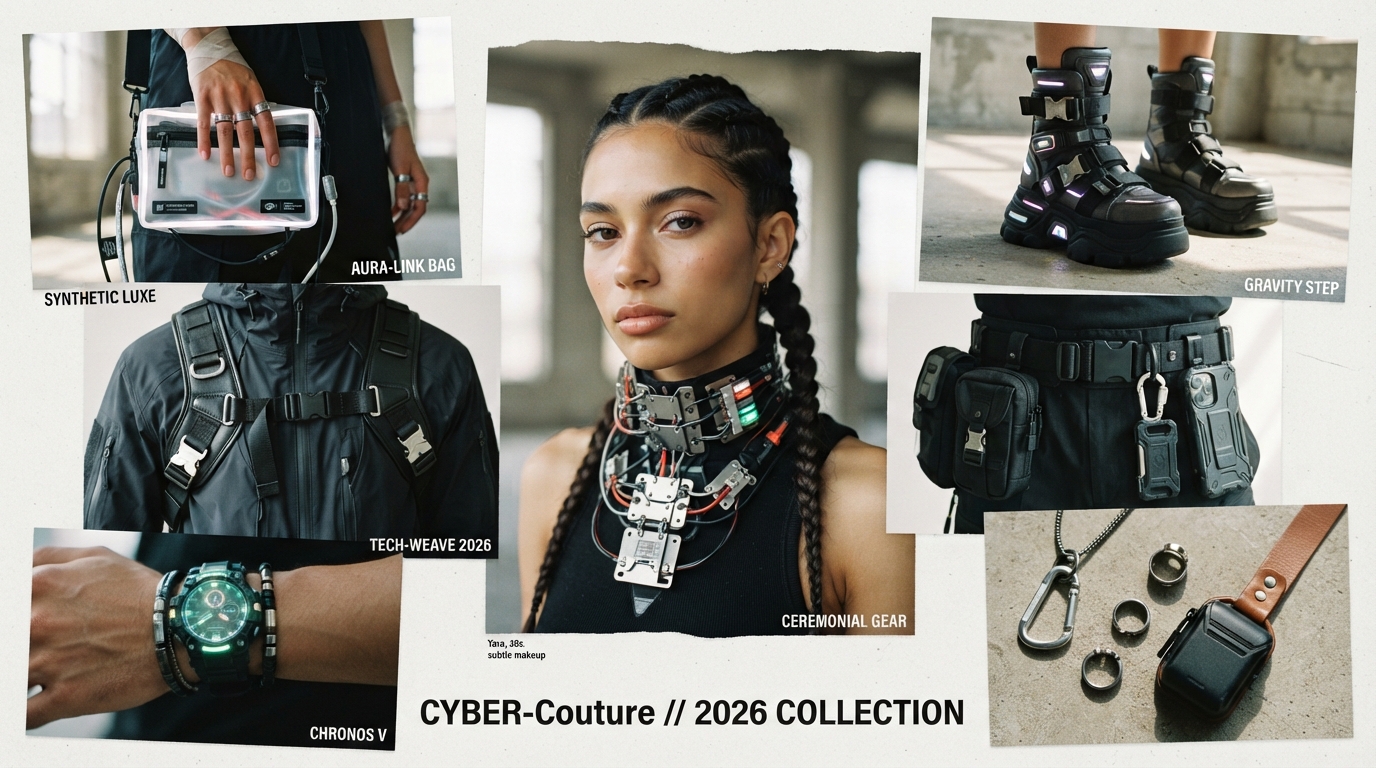
If you only add one accessory category to your wardrobe, make it bags. A crossbody sling, a chest rig, or a structured backpack with exposed straps and buckles does more to establish a cyberpunk silhouette than almost anything else you can wear.
What to look for: visible hardware (buckles, clips, D-rings), asymmetric strap placement, technical fabric with a bit of sheen or texture, and a shape that sits close to the body rather than a soft, slouchy bag. Multiple small pockets read better than one large compartment — it reinforces the "prepared for anything" attitude that defines the aesthetic.
How to wear it: a sling bag worn across the chest instantly reads as tactical and cyberpunk, even over a simple outfit. A structured backpack works for daily wear and photographs especially well with an open jacket, since the straps become part of the silhouette rather than something hidden underneath.
Headwear: Small Pieces With Outsized Impact
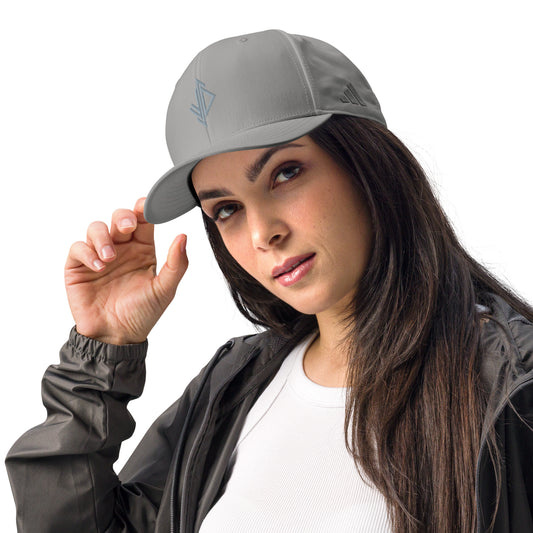
A structured bucket hat, a beanie, or a technical cap changes the read of an entire outfit in seconds. Headwear is one of the lowest-commitment ways to test the aesthetic before investing in bigger pieces.
Bucket hats work especially well with the cyberpunk palette — black, charcoal, or a single accent color, ideally with a subtle print or embroidered detail rather than a loud graphic. They pair naturally with oversized outerwear and balance out a fitted base layer.
Beanies lean more utilitarian and work best with the "off-duty" cyberpunk looks — plain, ribbed, and dark, with no logo or graphic competing for attention.
Technical caps with a structured brim suit the more tactical, "full tech" outfits, especially paired with a harness or sling bag.
Phone Cases and Small Tech Accessories: The Detail You're Already Carrying
Here's an accessory category most people forget about entirely: the phone case. It's an item you touch dozens of times a day and photograph constantly, which makes it one of the highest-visibility pieces in your entire kit — and it costs a fraction of what outerwear or footwear does.
A graphic-printed case with circuitry patterns, kanji-style text, or a dystopian cityscape does real work reinforcing the aesthetic in everyday moments that have nothing to do with your outfit. It's also a low-risk way to experiment with bolder graphics than you might wear on a shirt, since it's a small surface area rather than a full statement piece.
Jewelry and Neck Pieces: Layering Without Overdoing It
Chain necklaces, cord pendants, and layered neck pieces are where cyberpunk style borrows most directly from industrial and utilitarian subcultures. The key word here is layering — one thin chain reads as an afterthought, but two or three pieces of varying length and texture read as intentional.
Mixing metals and materials — a metal chain paired with a cord or leather strap — adds visual interest without adding color, which keeps the palette intact while still giving the outfit more to look at up close.
Keep it proportional. Heavy layered jewelry works best with simpler base layers underneath. If your top already has a bold graphic, dial the jewelry back to a single piece so the two don't compete.
Gloves and Wrist Details: The Underrated Finishing Touch
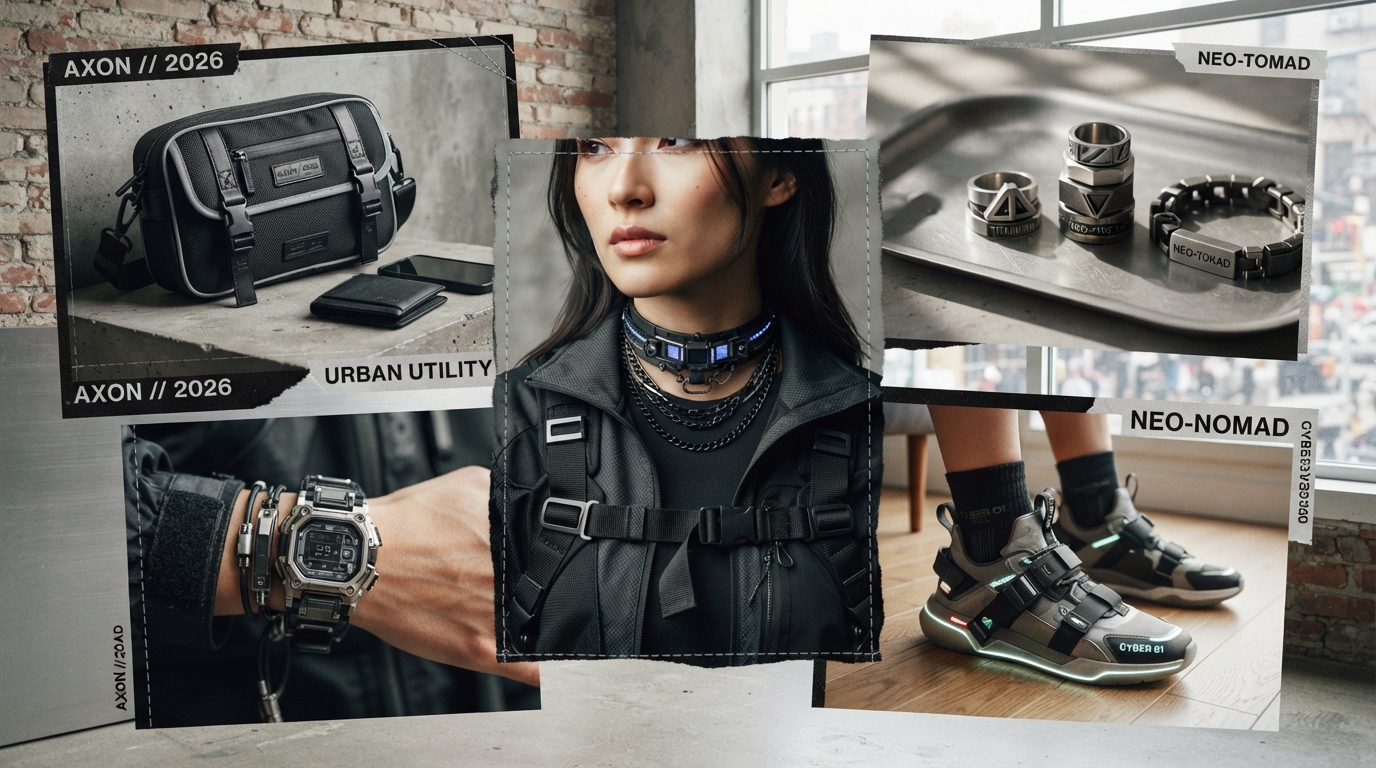
Fingerless gloves, wrist wraps, and technical cuffs are a smaller commitment than most accessories but carry a lot of aesthetic weight. They work particularly well for "full tech" outfits and outfits built around a harness or utility vest, since they extend the tactical, prepared-for-anything feeling down to the hands.
Not every outfit needs this level of detail — save gloves and wrist pieces for looks where you want to push the aesthetic further, rather than wearing them as a daily default.
Belts and Waist Details: Function-First Styling
A structured belt with visible hardware, a utility strap worn across the waist, or a hip bag can anchor an outfit the same way a bag does, especially over a longer jacket or coat where the waist would otherwise disappear. Look for the same details that matter in bags and outerwear — asymmetric buckles, technical webbing, exposed stitching.
Footwear Accents: Where Accessories Meet Function
Footwear itself isn't strictly an accessory, but the details on it function like one. Reflective panels, exaggerated soles, and subtle hardware on sneakers or boots let you introduce texture and a hint of shine without disrupting the outfit's core palette. If your outerwear and bag are already doing a lot of visual work, keep footwear details subtle. If the rest of the outfit is simple, footwear is a good place to add a bit more visual interest.
How to Choose an Accent Color and Stick to It
Cyberpunk accessories are one of the best places to introduce the classic accent colors — electric blue, magenta, acid green, hazard orange — without committing to a full garment in that shade. A single magenta-lined bag or an acid-green cord necklace does more work than five muted accent pieces competing for attention.
The rule that keeps a cyberpunk outfit from looking chaotic: one accent color per outfit, carried by no more than two accessories. If your bag is magenta, keep everything else — jewelry, hat, phone case — in black, grey, or a neutral tone. That restraint is what makes the accent color actually pop instead of getting lost in visual noise.
Building an Accessory Capsule: What to Buy First
You don't need every category at once. Here's a sensible build order if you're starting from scratch.
Start with one bag. It has the biggest visual impact per rand spent and works across nearly every outfit formula.
Add headwear next. A single bucket hat or cap in a neutral tone gives you immediate range across multiple looks.
Layer in jewelry and a phone case. These are the cheapest pieces in the entire capsule and the easiest to swap out as your taste evolves.
Save gloves, harnesses, and heavier tactical pieces for last. They're the most aesthetic-specific items and the ones you're least likely to wear outside a cyberpunk-focused outfit, so they make sense once you're confident in the rest of the capsule.
How Accessories Shift Across Different Cyberpunk Outfit Formulas
The right accessories depend heavily on which version of the cyberpunk look you're building that day. A few pairings worth knowing:
A clean, everyday cyberpunk outfit — fitted base layer, straight-leg pants, sneakers — pairs best with one restrained accessory, like a structured cap or a single chain. Anything more starts to fight with how simple the rest of the outfit is.
A statement-layer outfit built around a graphic tee or an open jacket wants accessories that stay quiet — a plain crossbody bag, no jewelry, minimal headwear — so the printed piece keeps the spotlight.
A full tactical look — vest or harness, cargo pants, reflective sneakers — is the one place where you can stack accessories: a chest rig plus wrist wraps plus a technical cap all work together here, because the whole outfit is already leaning maximalist.
An off-duty, pulled-back outfit benefits from soft, low-key pieces — a beanie, a simple cord necklace — that keep the aesthetic present without pushing it.
A night-out outfit built around a trench coat over a fitted top is the place for exactly one standout accessory — a bold bag, a striking chain, or an accent-colored phone case peeking out of a pocket — rather than several competing for attention.
Caring for Cyberpunk Accessories
Technical fabrics, faux leather, and metal hardware all need slightly different care than the soft cotton basics most people are used to maintaining.
Faux leather and coated fabrics should be wiped down rather than machine washed when possible — a damp cloth handles most dirt, and harsh detergents can crack the coating over time. Keep these pieces away from direct heat, which causes coated fabrics to stiffen and crack.
Metal hardware — buckles, chains, D-rings — benefits from an occasional wipe with a dry cloth to prevent tarnish, especially in humid climates. Store chain jewelry separately to avoid tangling, which shortens its lifespan far faster than actual wear does.
Technical nylon bags are generally machine-washable on a gentle cycle, but zippers and buckles should be checked and closed first to avoid snagging. Air dry rather than tumble dry to protect any water-resistant coating.
Treating accessories with the same care as higher-cost pieces extends their life significantly — a well-maintained bag or chain can outlast several rotations of trend pieces around it.
Budgeting for a Cyberpunk Accessory Capsule
A realistic accessory capsule doesn't need a big upfront investment. A useful way to think about it in tiers:
Entry tier: a phone case, a cord necklace, and a simple beanie. These three pieces alone can shift a plain outfit toward the aesthetic for a small fraction of what a jacket costs.
Mid tier: add a structured bag and a technical cap. This is usually where an accessory capsule starts to feel complete enough to build most outfit formulas around.
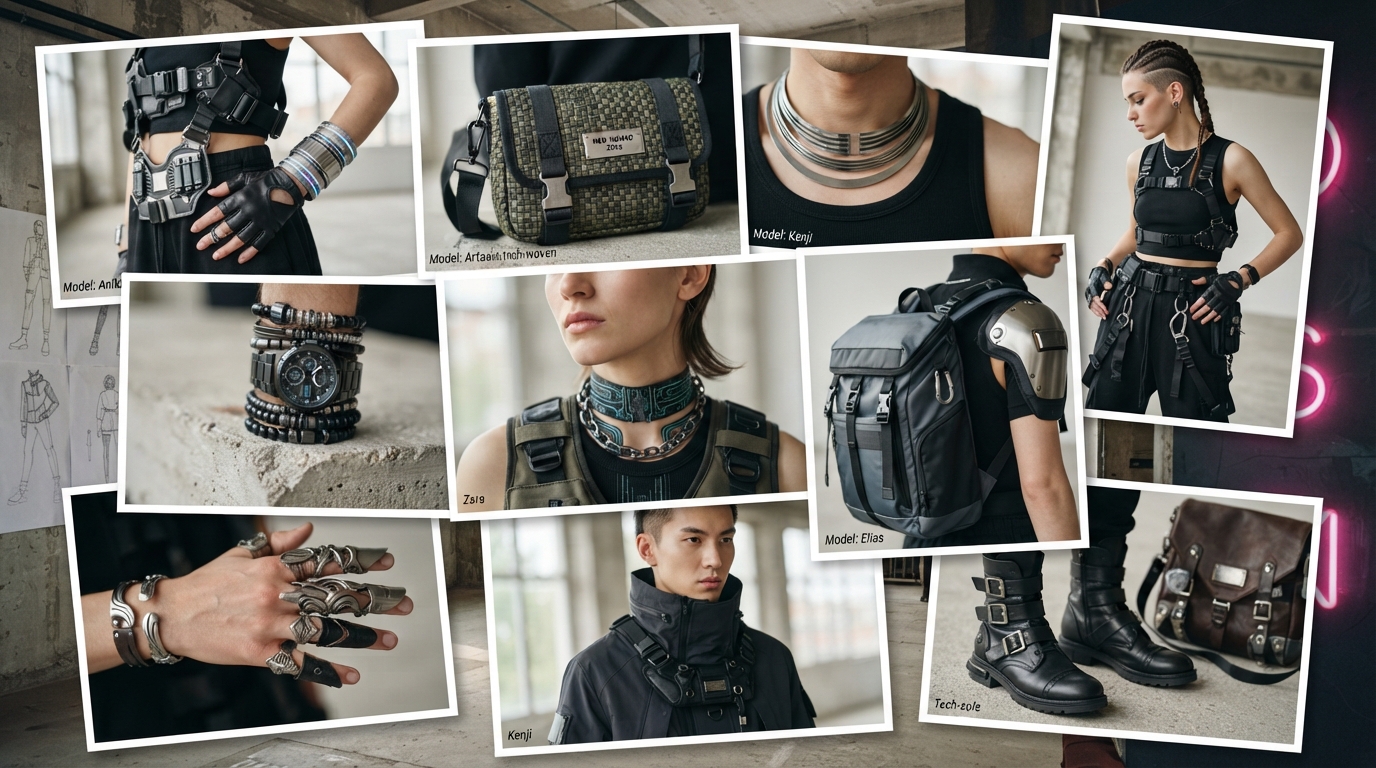
Advanced tier: harnesses, chest rigs, wrist details, and multiple bags for different outfit types. These are worth adding once you already know which formulas you reach for most, so the investment matches how you actually get dressed.
Wearing too many accent colors at once. A magenta bag, a blue phone case, and green shoelaces in the same outfit reads as chaotic rather than considered. Pick one accent color and let everything else support it.
Treating accessories as an afterthought. A strong outerwear piece and a plain accessory setup will always look less finished than a simpler outfit paired with one or two well-chosen accessories. Budget time and money for this category, not just clothing.
Overloading a single outfit with tactical pieces. A harness, fingerless gloves, a chest rig, and a utility belt all at once can tip into costume territory fast. Pick one or two focal accessories per outfit and let the rest of the look stay quieter.
Ignoring proportion. A delicate chain gets lost under a bulky jacket; an oversized bag can overwhelm a fitted, minimal outfit. Match the scale of your accessories to the scale of the rest of the fit.
Buying accessories that only match one outfit. If a piece only works with a single top or jacket, it's not capsule material. Before buying, check that a new accessory pairs with at least two or three pieces you already own — the same test that applies to core wardrobe pieces applies here too.
Seasonal Accessory Swaps
Warmer months: lean on bags, jewelry, and phone cases to carry the aesthetic, since heavier gloves and harnesses can feel like overkill in the heat. A single accent-colored accessory can do the job that a full jacket would do in colder weather.
Colder months: this is where wrist details, structured beanies, and layered necklaces worn over a mock neck really shine, since there's more surface area — coat, scarf, layers — for the details to sit against.
Frequently Asked Questions
What's the single best cyberpunk accessory to start with?
A structured bag — a sling, chest rig, or backpack with visible hardware. It has the most impact for the money and works with nearly every outfit formula.
How many accessories should I wear in one outfit?
Two to three is the sweet spot. One accent-colored anchor piece (a bag or a hat) plus one or two smaller supporting pieces (jewelry, a phone case) keeps the look layered without becoming cluttered.
Are cyberpunk accessories expensive?
Not necessarily. Phone cases, cord jewelry, and simple beanies are some of the most affordable entry points into the aesthetic, and they let you test the look before investing in bigger pieces like bags or outerwear.
Can I mix cyberpunk accessories with a normal, non-themed outfit?
Yes — a single bold accessory, like a graphic phone case or a structured bag, can add a cyberpunk edge to an otherwise plain outfit without requiring a full aesthetic overhaul.
Do cyberpunk accessories work for both men and women?
Yes. The category is built on function-first design — bags, chains, technical fabrics — that isn't gendered by construction, which is part of why so many cyberpunk accessories are designed to be worn by anyone.
Final Thoughts
Accessories are the fastest, most affordable way to push a cyberpunk outfit from generic streetwear into something unmistakably its own. Start with one strong bag, layer in headwear and jewelry gradually, pick a single accent color and stick to it, and resist the urge to wear every tactical piece you own at once. Done right, two or three well-chosen accessories will do more for your outfit than an entire new wardrobe.