
Techwear Layering Tips for Cape Town Weather
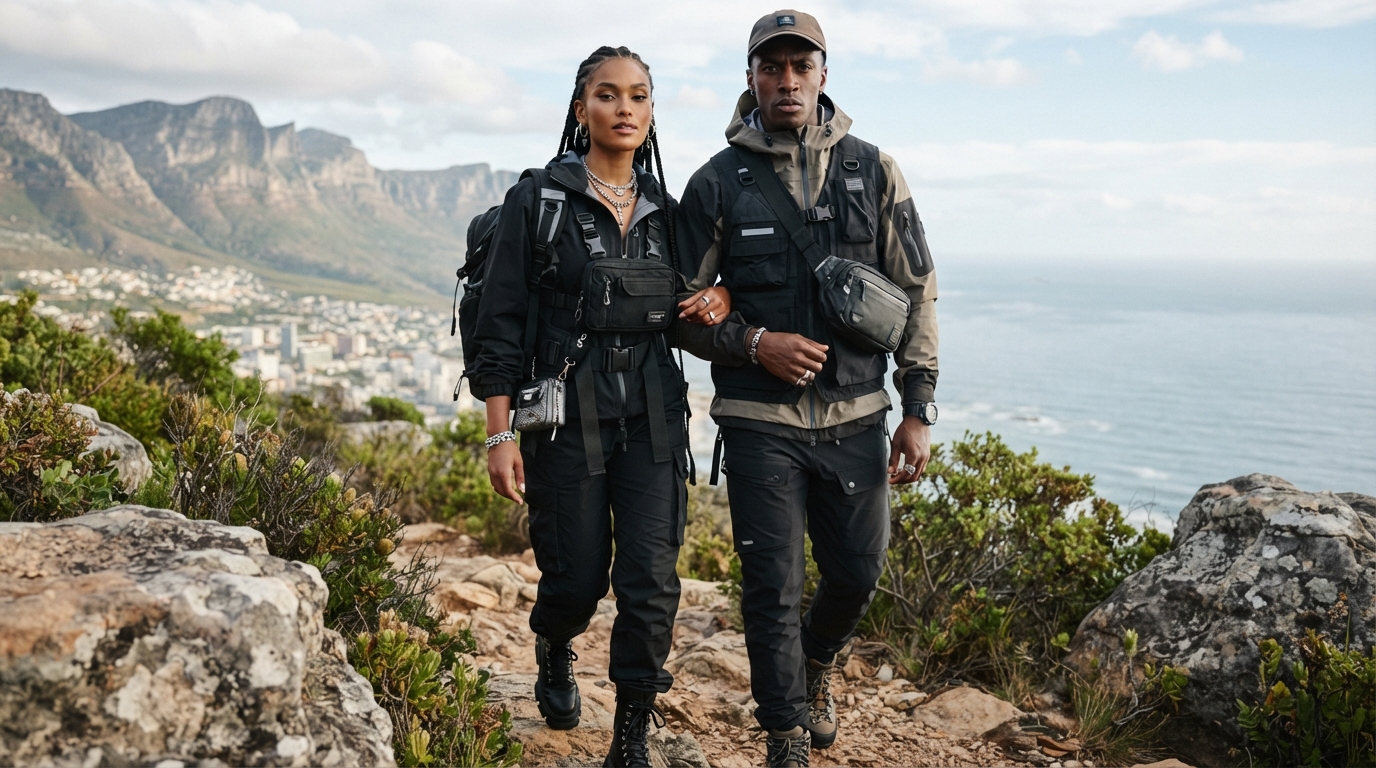
Techwear Layering Tips - Cape Town has a reputation for throwing every season at you in a single afternoon - bright sun before lunch, a wall of wind off the mountain by mid-afternoon, and a cold snap the moment the sun drops behind Table Mountain. That kind of unpredictability is exactly the problem techwear was designed to solve. Built around layering systems, weatherproof fabrics, and gear that adapts on the move, techwear isn't just an aesthetic choice for a city like this - it's genuinely practical.
This guide breaks down how to build a techwear layering system that actually holds up to Cape Town's specific weather patterns, from the South-Easter wind to winter's cold fronts.

Why Cape Town's Weather Demands a Layering System
Most style guides treat layering as a way to add visual interest to an outfit. In Cape Town, layering is survival gear. The city sits between a cold ocean current and a mountain that generates its own wind patterns, which means temperature swings of ten degrees or more between morning and afternoon aren't unusual, even in the same season.
A single heavy jacket doesn't work here - you'll be sweating through it by 2pm and freezing in it after sunset. A single light jacket doesn't work either, since it won't hold up against the wind or a sudden squall. Techwear's whole premise - multiple thin, purpose-built layers that can be added or removed as conditions shift - is a much better match for a climate that changes its mind constantly.
The Three-Layer System, Explained
Techwear borrows its layering logic from technical outdoor gear, and it comes down to three functional layers that each do a specific job.
The base layer sits against your skin and manages moisture. A fitted, moisture-wicking long-sleeve or mock neck in a technical fabric keeps sweat from sitting against your body when the sun is out, which matters more in Cape Town than people expect - the UV index here is high even on cool, windy days.
The mid layer is your insulation. This is where a technical fleece, a lightweight puffer, or a structured hoodie comes in. Its job is to trap warmth without adding bulk, so you can put it on or take it off without changing your whole silhouette.
The outer layer is your shield against wind and rain. This is where techwear earns its reputation - a genuinely waterproof, windproof shell with sealed seams and adjustable cuffs does more for comfort in Cape Town than almost any other single piece of clothing you can own.

Building Around the South-Easter
Techwear Layering Tips - Locals call it the "Cape Doctor" for a reason - the South-Easter wind can turn a mild afternoon into a genuinely uncomfortable one in minutes, and it's strong enough to make loose, flappy fabric actively annoying to wear. This is where techwear's fitted-but-functional silhouette pays off.
Look for a windproof outer shell with a fitted or slightly tapered cut rather than something boxy and loose - less fabric catching wind means less discomfort and better mobility. Adjustable hem and cuff toggles let you seal the jacket against gusts without needing a completely different piece of outerwear.
Avoid wide-leg or heavily flared trousers on high-wind days. Tapered technical trousers or joggers with a drawcord hem keep the wind from turning your bottoms into a sail, which matters more on the Cape Town waterfront and anywhere near the mountain than it does inland.
Headwear and bags need wind consideration too. A structured cap with a secure fit or a beanie holds up far better than a loose bucket hat on a genuinely windy day, and a crossbody bag with a stable strap won't swing around the way a loose tote does when the South-Easter picks up.
Rain-Ready Without Looking Like a Raincoat
Cape Town's rain tends to arrive in bursts rather than the steady all-day drizzle of some other climates, which means you want gear that handles a sudden downpour without committing you to full rain gear for the rest of the day.
A water-resistant (not just water-repellent) outer shell is worth the investment over a purely showerproof one - the difference matters the first time you're caught in a proper Cape Town cold-front downpour rather than a light drizzle. Taped or sealed seams are the detail that actually keeps water out, not just the outer fabric coating.
Footwear matters more than people think. A water-resistant sneaker or boot with a grippy sole handles both sudden rain and Cape Town's mix of tar, cobblestone, and sandy pavement sections far better than a fashion-first sneaker with a smooth sole.
Layering for Cape Town's Temperature Swings
The real skill in techwear layering isn't picking one great jacket - it's building a system where you can add or remove pieces as the day moves from a cool morning to a hot afternoon to a windy evening.
Morning (cool, often overcast): base layer plus mid layer, with the outer shell in a bag or tied at the waist rather than worn. Cape Town mornings are deceptively cold even when the forecast says mild.
Midday (sun, potential wind pickup): base layer alone if it's warm and still, or base layer plus a light windproof shell if the wind has started - this is the point in the day where you're most likely making quick layering decisions.
Evening (temperature drop, wind settling or picking up): mid layer back on, outer shell ready to go. Cape Town evenings cool fast once the sun is behind the mountain, even after a warm day.
Building your capsule around pieces that pack down small - a compressible shell, a thin technical mid layer - makes this constant adjusting actually practical rather than a hassle.
Seasonal Adjustments
Summer (November–March): lean on the base and mid layers, keep the outer shell light and windproof rather than insulated, since summer discomfort in Cape Town is almost always about wind rather than cold. A packable windbreaker earns its place in every summer outfit, even on days that start out completely still.
Winter (June–August): this is where the full three-layer system gets used daily. A proper waterproof, insulated outer shell becomes essential rather than optional, and a heavier mid layer (technical fleece over a base layer) handles the genuinely cold, wet cold fronts that roll through.
Shoulder seasons (April–May, September–October): the most unpredictable stretch, and the one where the layering system earns its keep the most. Pack for a ten-degree swing in either direction and you'll rarely be caught out.
Materials That Actually Hold Up
Not every "techwear-looking" fabric performs the way it looks like it should. A few materials are worth prioritizing specifically for Cape Town conditions.
Ripstop nylon resists tearing and sheds light rain well, making it a solid choice for an everyday outer layer that needs to handle wind without being a full rain shell.
Softshell fabrics block wind effectively while staying breathable, which matters on days where you're moving between indoor heat and outdoor wind - a common Cape Town scenario.
Merino or technical wool blends for base layers regulate temperature better than plain cotton, staying comfortable across a wider range without the clamminess cotton develops once you start sweating and the temperature drops.
What Makes Techwear Different From a Regular Jacket and Layers
It's worth being specific about what actually separates techwear from just wearing a normal jacket over a hoodie, because the difference is functional, not just aesthetic.
Purpose-built fabrics. Techwear pieces use fabrics engineered for a specific job - moisture-wicking, wind-blocking, water-resistant - rather than fabrics chosen mainly for how they look or feel. A cotton hoodie might look similar to a technical mid layer, but it behaves completely differently once it's wet or windy.
Articulated, mobility-first cuts. Technical pieces are cut to move with the body - gusseted underarms, articulated elbows and knees, adjustable hems - rather than a standard drop-shoulder cut. This matters more than it sounds like it should when you're walking into wind for twenty minutes at a time.
Modularity. A techwear system is designed to be added to and subtracted from throughout the day. Regular layering often means committing to an outfit at 7am and living with it; a techwear system expects you to adjust it constantly, which is exactly what Cape Town's weather demands.
Building a Cape Town Techwear Capsule on a Budget
You don't need every technical piece at once, and the most expensive item isn't always the most useful one. A sensible build order looks like this:
Start with the outer shell. A windproof, water-resistant jacket solves more Cape Town weather problems than any other single purchase, and it's the piece you'll reach for the most across every season.
Add one technical base layer next. A moisture-wicking long-sleeve handles both hot, sunny days and cold mornings, and it's the piece doing the most work against Cape Town's UV exposure even in winter.
Fill in the mid layer last. A technical fleece or lightweight insulated piece is the easiest layer to substitute with something you might already own, so it's the lowest priority for a first purchase.
Upgrade footwear when the budget allows. Water-resistant, grippy-soled shoes are a genuine quality-of-life upgrade in a city with as much varied terrain and sudden rain as Cape Town, but they're reasonable to add after the core layering pieces are in place.
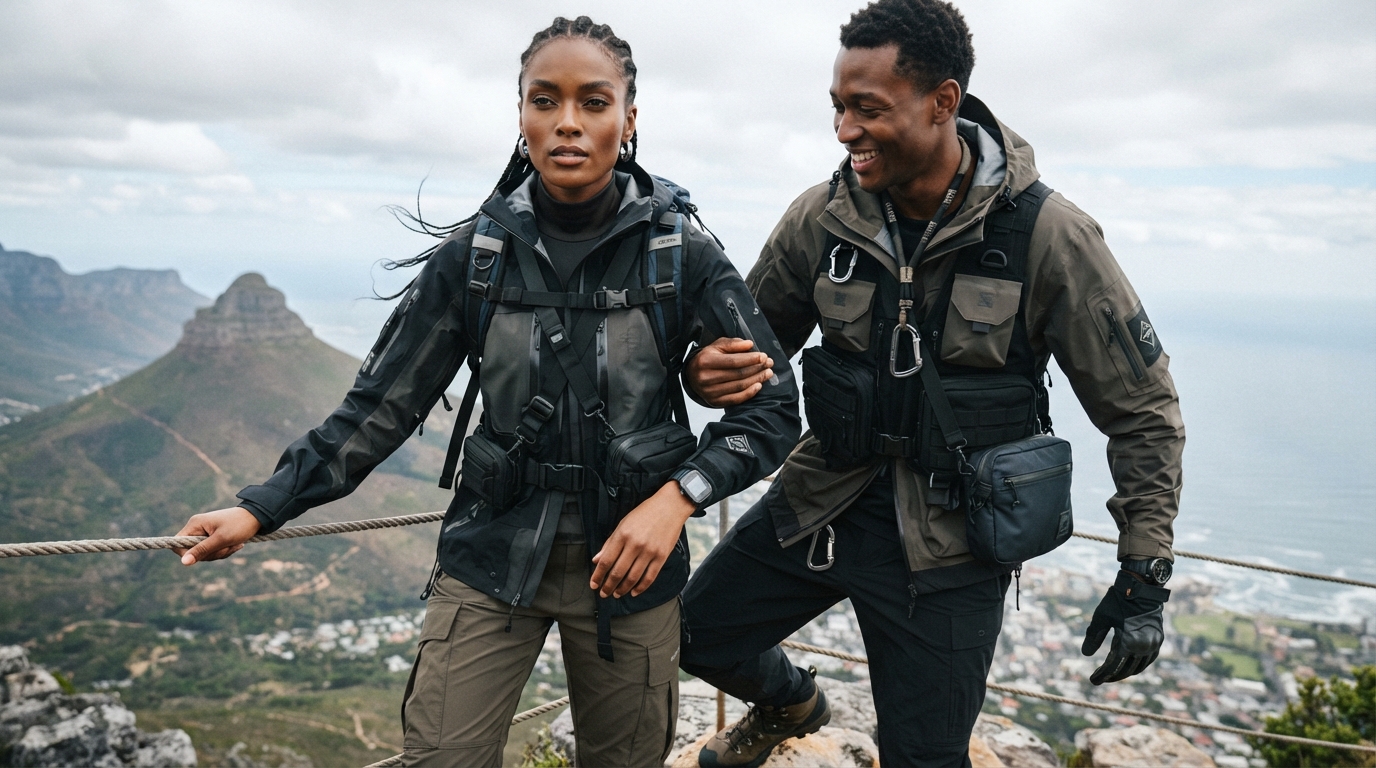
Caring for Technical Fabrics
Technical fabrics need different care than standard cotton pieces, and getting it wrong shortens their performance life fast.
Avoid fabric softener on technical shells and base layers. It coats the fibers and reduces both moisture-wicking performance and any water-resistant coating, which defeats the purpose of the fabric.
Reproof water-resistant shells periodically. Most durable water repellent (DWR) coatings wear down with washing and general use. A specialist reproofing spray or wash restores the water-beading effect once a jacket starts soaking through instead of shedding rain.
Air dry rather than tumble dry where possible. High heat can damage waterproof membranes and technical coatings over time, even on pieces that are technically machine-washable.
Close all zips and velcro before washing. Open hardware can snag technical fabric in the wash, and exposed velcro picks up lint that reduces its grip over time.
Wearing one heavy layer instead of several thin ones. A single thick jacket can't adapt the way a base-mid-outer system can, which means you're either too hot or reaching for a completely different jacket halfway through the day.
Choosing style over seam construction. A jacket that looks waterproof but has unsealed seams will let water in exactly where you need it sealed. Check construction details, not just the fabric, before trusting a piece against real Cape Town rain.
Ignoring footwear in the layering system. Wet or wind-chilled feet undo the comfort of a perfectly layered upper body. Footwear deserves the same weatherproofing consideration as outerwear, not an afterthought.
Overdressing for the morning and regretting it by noon. Cape Town's swing from a cold morning to a warm afternoon is real - build outfits that let you shed layers easily rather than committing to head-to-toe warmth that becomes uncomfortable a few hours later.
Frequently Asked Questions
What's the single most useful techwear piece for Cape Town?
A packable, windproof (and ideally water-resistant) shell. Wind is the constant in Cape Town weather, and a shell that handles it without adding bulk solves more problems than any other single piece.
Is techwear too warm for a Cape Town summer?
Not if you build the system correctly. Summer techwear leans on breathable base layers and a light windbreaker rather than insulated pieces - the goal is wind protection, not warmth.
Do I need expensive technical fabrics, or will regular layers work?
Regular fabrics work in a pinch, but technical fabrics genuinely perform better in Cape Town's specific mix of wind, sun, and sudden rain - cotton in particular struggles once it gets wet or you start sweating in the wind.
How many layers should I actually be carrying on an average day?
Three is the practical maximum for daily wear - a base layer worn, a mid layer worn or carried, and a packable outer shell in your bag. More than that becomes a hassle rather than a help.
Can techwear work for everyday wear, or is it only for outdoor activity?
Everyday wear is exactly where techwear makes the most sense in a city like Cape Town - you don't need to be hiking Table Mountain to benefit from wind-blocking fabric and adjustable layers on a normal commute or errand run.
What color palette works best for Cape Town techwear?
Black, charcoal, and deep olive stay practical across every season and hide the dust and light grime that comes with wind and unpredictable weather, while still leaving room for a single accent piece if you want one.
Final Thoughts
Cape Town's weather doesn't reward guessing - it rewards a system. A proper techwear layering setup, built around a moisture-managing base, an adaptable mid layer, and a genuinely weatherproof shell, turns an unpredictable climate from a daily annoyance into a non-issue. Build it once, adjust it by season, and you'll spend a lot less time checking the forecast before you get dressed.